Word game collection
Games like Wordle
Ten games like Wordle, ranked by how closely their mechanics match — multi-board pressure, semantic clues, and a different answer space.
How we rank these games like Wordle
Entries are ordered by how closely their mechanics match Wordle, using the same criteria we apply across the directory. Games in the same category carry the most weight, shared tags add to the score, and a matching play mode settles the next tie; our own rating is only the final tie-breaker. That is why Dordle, Quordle and Octordle sit at the top: they keep the five-letter words and the green-yellow-grey feedback. Connections, Spelling Bee and Strands rank lower because they keep the daily habit but change the task. Read the order as a guide to similarity, not as a claim about quality.
The ten entries below all publish a daily board, and every card shows its category, play mode and typical time. If you only have a few minutes, the time estimate on each card is the fastest way to choose; if you want the same deduction loop as the original, stay with the multi-board word games near the top.
Stuck on today's board before you pick an alternative? Wordle Hint Today lists six progressive clues and keeps the answer folded until you open it.
10 games like Wordle, compared
Matched by mechanic, tags, and play mode
 Words
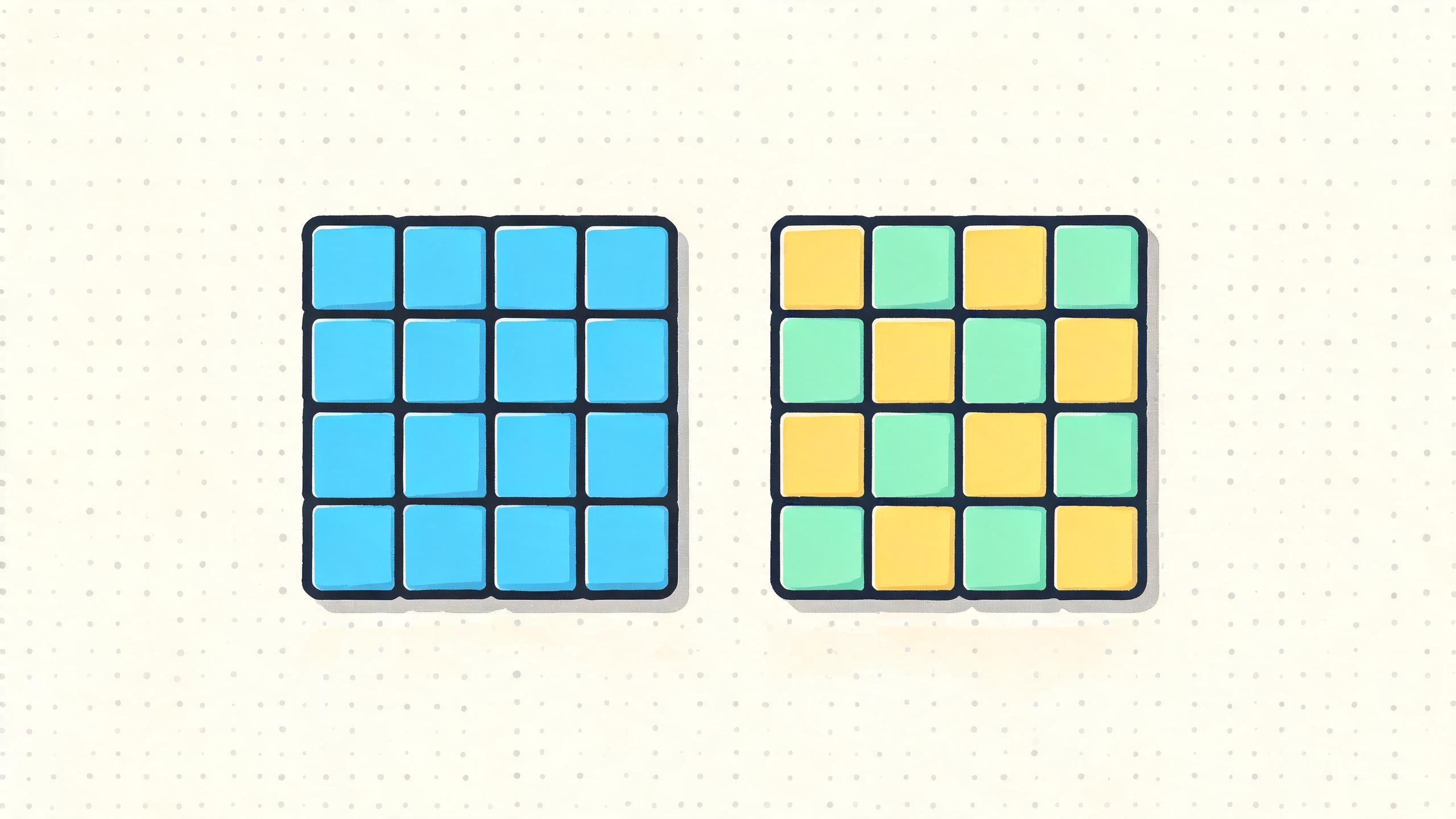
Dordle
Two words at once, with seven guesses to split between them.
 Words
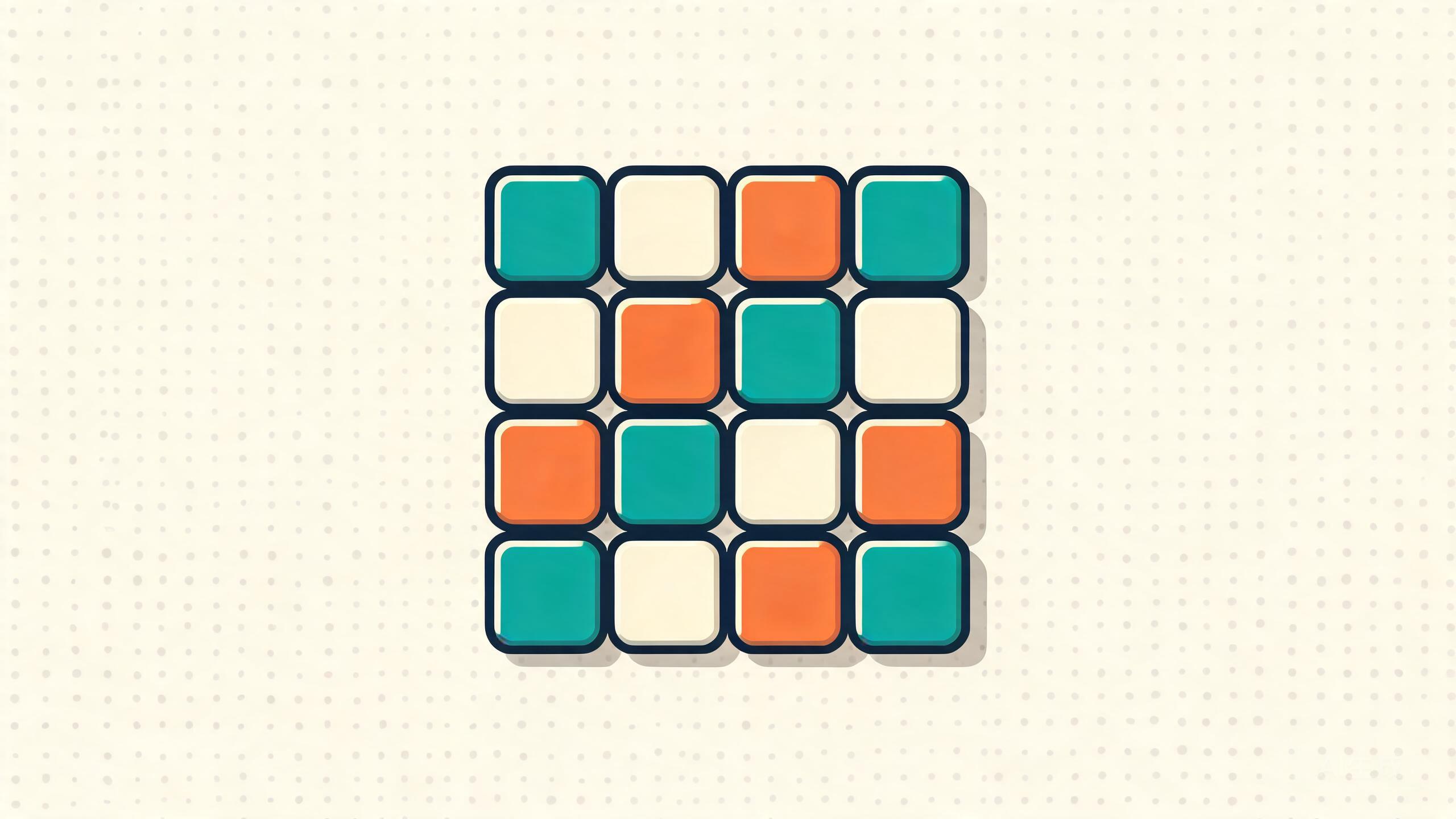
Quordle
Four hidden words, nine guesses, one shared board.
 Words
Poillirk
Guess the most common answer and climb the daily board.
 Words
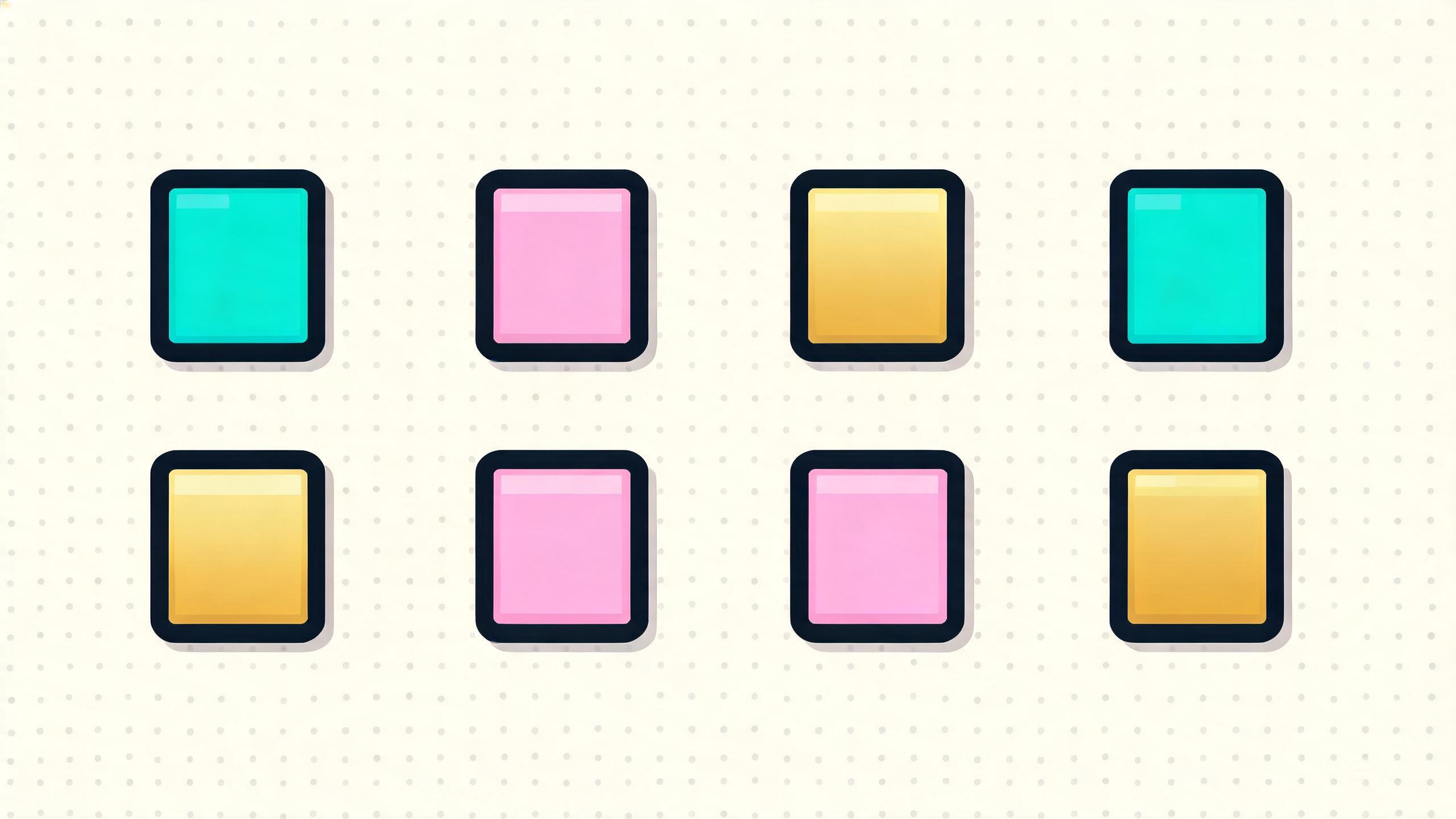
Octordle
Eight words, thirteen guesses, serious letter management.
 Words
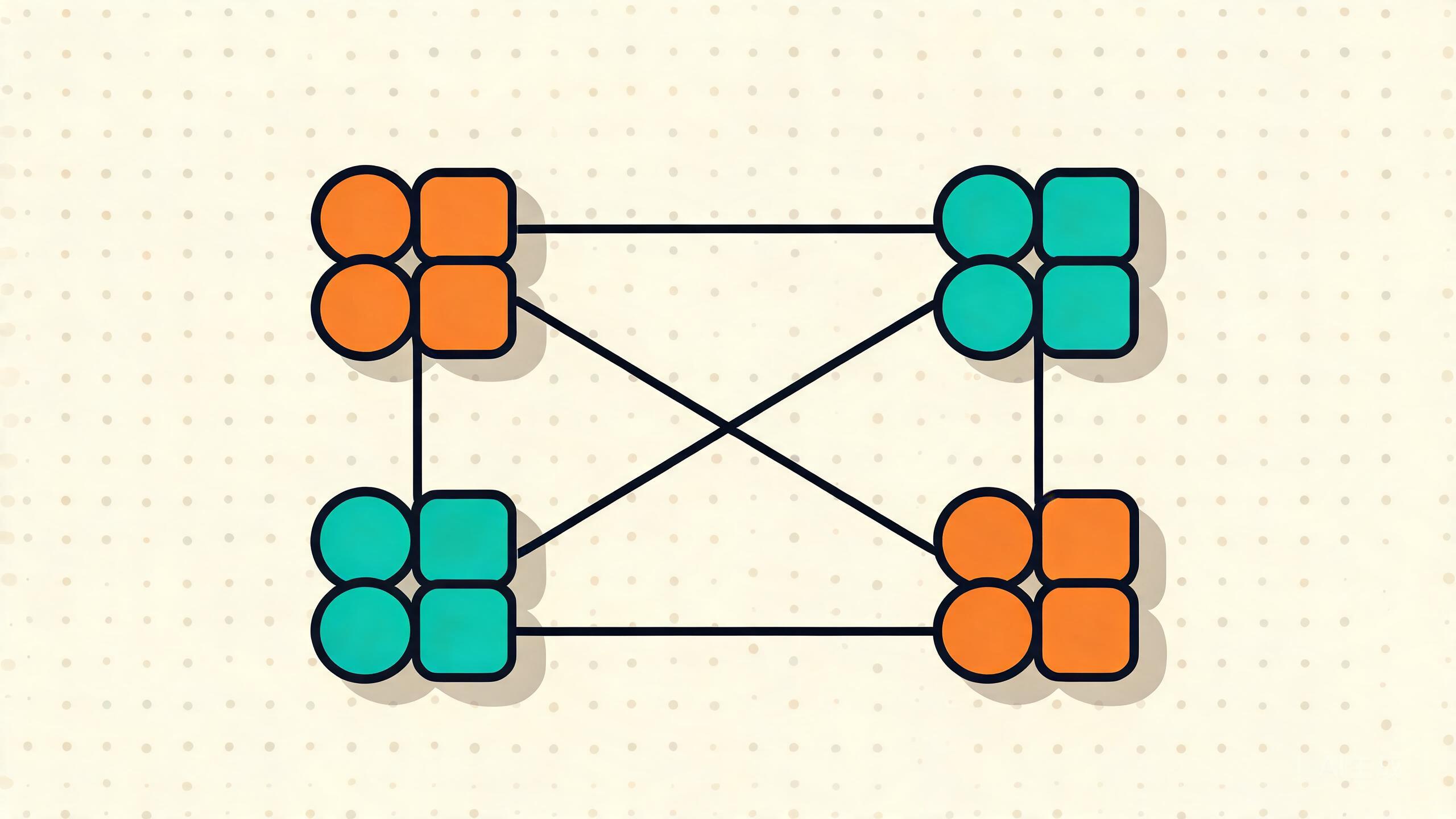
Connections
Sixteen words, four groups, and one group that will fool you.
 Words
Spelling Bee
Seven letters, one honeycomb, as many words as you can find.
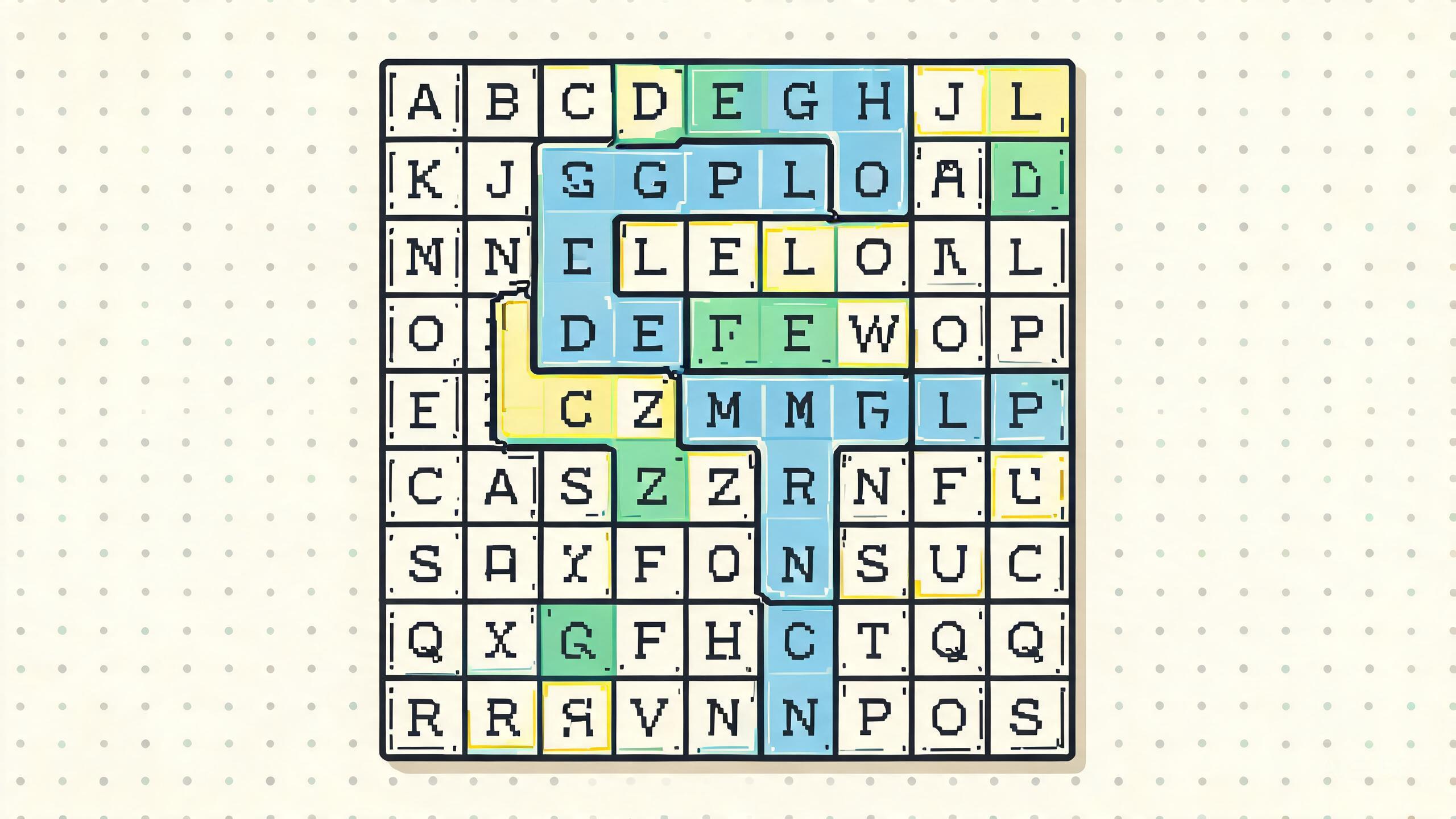 Words
Strands
A themed word search with one extra-special answer.
 Words
NYT Mini Crossword
A small crossword built for a very short break.
 Words
Letter Boxed
Connect letters around a box without repeating a side.
 Words
Squaredle
Trace words in a dense grid until every square is used.
Alternatives in detail
What each game like Wordle adds
Dordle
Dordle keeps the five-letter guessing language but hides two words and allows seven guesses in total. Each guess is applied to both boards at once, so a letter that turns green on one board can still be grey on the other. The squeeze comes from having one fewer guess than two separate Wordle rounds would give you. It suits players who want a tighter morning puzzle without learning a new rule set.
Quordle
Quordle raises the count to four hidden words and nine guesses, with every guess applied to all four boards. Nine guesses across four words means you cannot solve them one at a time; the opening rows have to spread useful letters across the whole board. Merriam-Webster hosts the daily puzzle and offers a practice mode, so you can learn the rhythm before protecting a streak. It is the natural step up when one Wordle feels too quick.
Poillirk
Octordle
Octordle puts eight five-letter words on one board and allows thirteen guesses for all of them. That sounds generous until you count the answers: thirteen guesses for eight words leaves very little room for wasted letters, so the first few rows need to cover as much of the alphabet as possible. It is the longest session here at roughly twelve minutes and works best when you can play without interruptions. Britannica hosts the current version.
Connections
Connections replaces letter feedback with category deduction: sixteen words, four hidden groups of four, and four mistakes allowed. The grid is built so that words fit more than one tempting theme, which is why a plausible group can burn a mistake before you spot the real connection. It keeps the shared daily board but rewards lateral thinking rather than spelling. Six minutes is realistic if you pause before each submit.
Spelling Bee
Spelling Bee gives you seven letters in a honeycomb and asks for as many words of four letters or more as you can find. Every word must use the centre letter, letters can be reused, and a pangram uses all seven at least once. There is no guess limit and no losing state, so the pressure comes from the score and the rank rather than a countdown. It is the slowest entry at around twelve minutes and the one that most rewards a wide vocabulary.
Strands
Strands is a themed word search on a letter grid. You drag across connected letters to find ordinary theme words, and each correct find gives you a hint toward the spangram, the word that spans the board and names the theme. Because words are traced rather than typed, it uses a different kind of attention: scanning and pattern-spotting instead of letter-frequency reasoning. Around eight minutes, and a good pick when you want to play with your eyes rather than the keyboard.
NYT Mini Crossword
The Mini is a small daily crossword with a handful of across and down clues, designed to be finished in a few minutes. It keeps the daily-reset habit but not the guessing mechanic: clues are answered directly, and crossing letters help you correct an uncertain entry. Four minutes is typical, which makes it the quickest item on this list. It is a gentle entry point for anyone who has never solved a crossword before.
Letter Boxed
Letter Boxed arranges letters around the sides of a square and asks you to use them all in as few words as possible. Each word must draw from different sides, and consecutive words must link by the last letter of one and the first letter of the next. There are no colour hints, so progress is visible only in how many letters remain unused. Around eight minutes, and a genuine test of vocabulary under a geometric constraint.
Squaredle
Squaredle gives you a grid of letters and asks you to trace words through adjacent squares. The daily board has a required list plus bonus words, and it is finished when every required word has been found. Unlike Wordle, there is no penalty for trying a word; the challenge is coverage rather than damage control. Around six minutes for the required list, longer if you chase the bonus words.
Which game like Wordle should you play?
For a short break, the NYT Mini Crossword is the quickest at about four minutes, with Dordle and Waffle close behind at five. If you want the Wordle feedback loop but more coordination, work up through Dordle, Quordle and then Octordle; the board count rises faster than the guess count, which is what turns a single-word deduction into a sequencing problem.
If you want a different mental move rather than more boards, Connections is about sorting, Spelling Bee is about building words from a fixed set of letters, Strands and Squaredle are about scanning a grid, and Letter Boxed is about satisfying a constraint. The Mini asks for crossword recall instead of letter feedback. None of them replaces the original, but each one keeps the daily reset that makes the habit easy to maintain.
FAQ
Are the games on this list free to play?
How long does a round of each game take?
How many guesses do the multi-board games allow?
Do these games reset every day?
Can I play these games on a phone?
Why is Dordle first in this list?
Where should I start if I have never played a Wordle variant?
What makes a game a good alternative?
Play the original first
The reference listing for Wordle is at /games/wordle. It includes the official source, a time estimate, and a short guide to how the round works. Use the alternatives when you want a second daily board — not as a replacement for the original publisher.