Grouping puzzle collection
Games like Connections
Ten games like Connections, ranked by how closely their mechanics match — letter grids, semantic guessing and word puzzles beyond the category grid.
How we rank these games like Connections
Entries are ordered by mechanical similarity, using the same criteria as the rest of the directory: a shared category carries the most weight, shared tags add to the score, a matching play mode settles the next tie, and our own rating is used only as the final tie-breaker. The word category is deep enough that ten genuine word games fill this page, so no unrelated puzzle has been pulled in to reach a round number.
Read the list in groups rather than as a single ladder. Strands and Squaredle keep a letter grid but ask you to trace words instead of sorting sixteen of them; Spelling Bee and Letter Boxed hand you letters with no grid at all; Contexto and Semantle keep one hidden answer and replace letter feedback with meaning; Wordle and Dordle keep the typed-guess loop, which Connections does not use.
Connections is the only game here that asks you to group words by what they mean, and none of the ten reproduces that exact task. The closest substitute is Waffle, which shares the sorting instinct but checks rows and columns instead of categories; the best fit for most players is whichever of the grid games matches the kind of attention they already enjoy.
10 games like Connections, compared
Matched by mechanic, tags, and play mode
 Words
Wordle
Six tries, five letters, one fresh word every day.
 Words
Strands
A themed word search with one extra-special answer.
 Words
Poillirk
Guess the most common answer and climb the daily board.
 Words
Spelling Bee
Seven letters, one honeycomb, as many words as you can find.
 Words
NYT Mini Crossword
A small crossword built for a very short break.
 Words
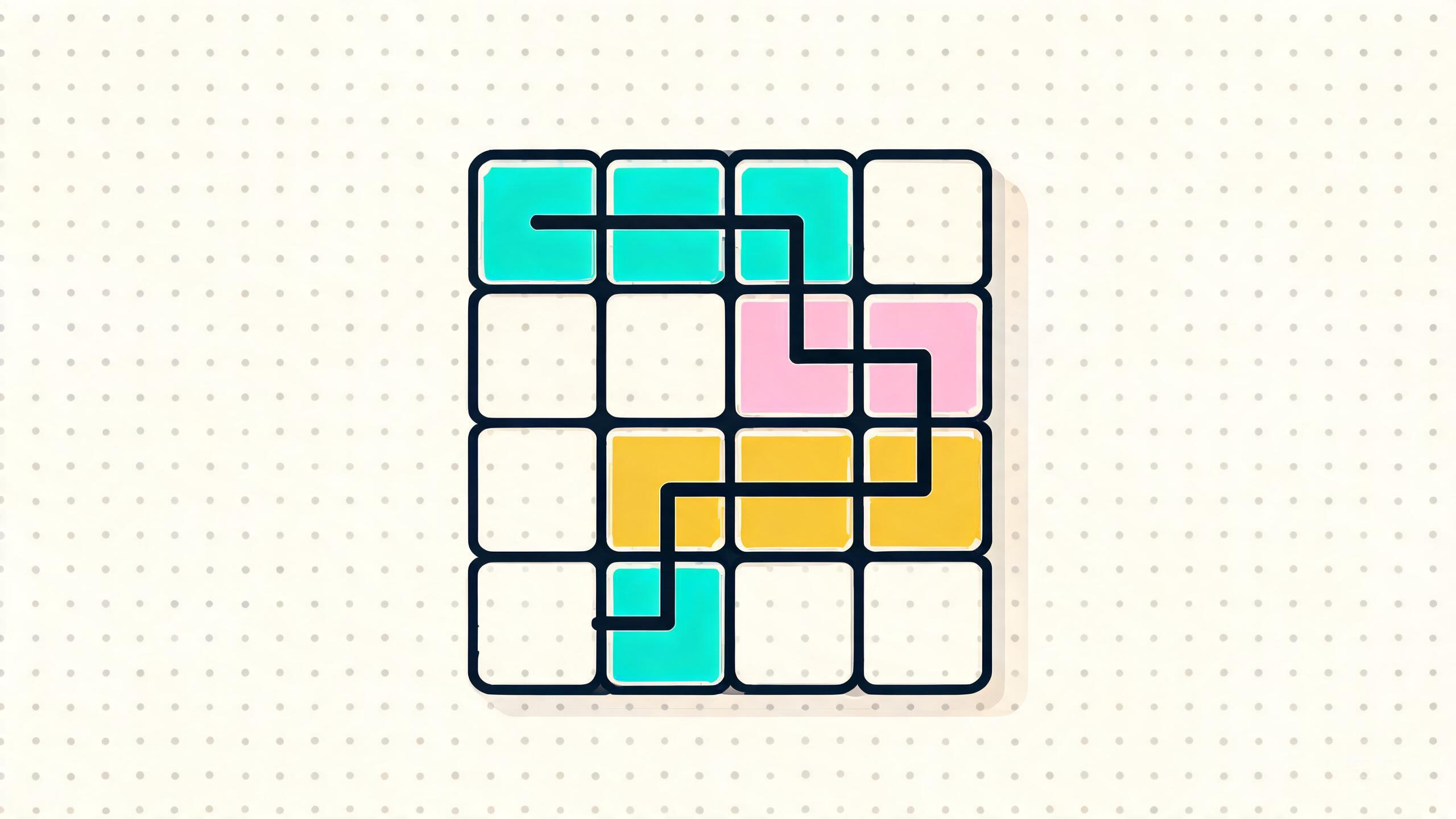
Dordle
Two words at once, with seven guesses to split between them.
 Words
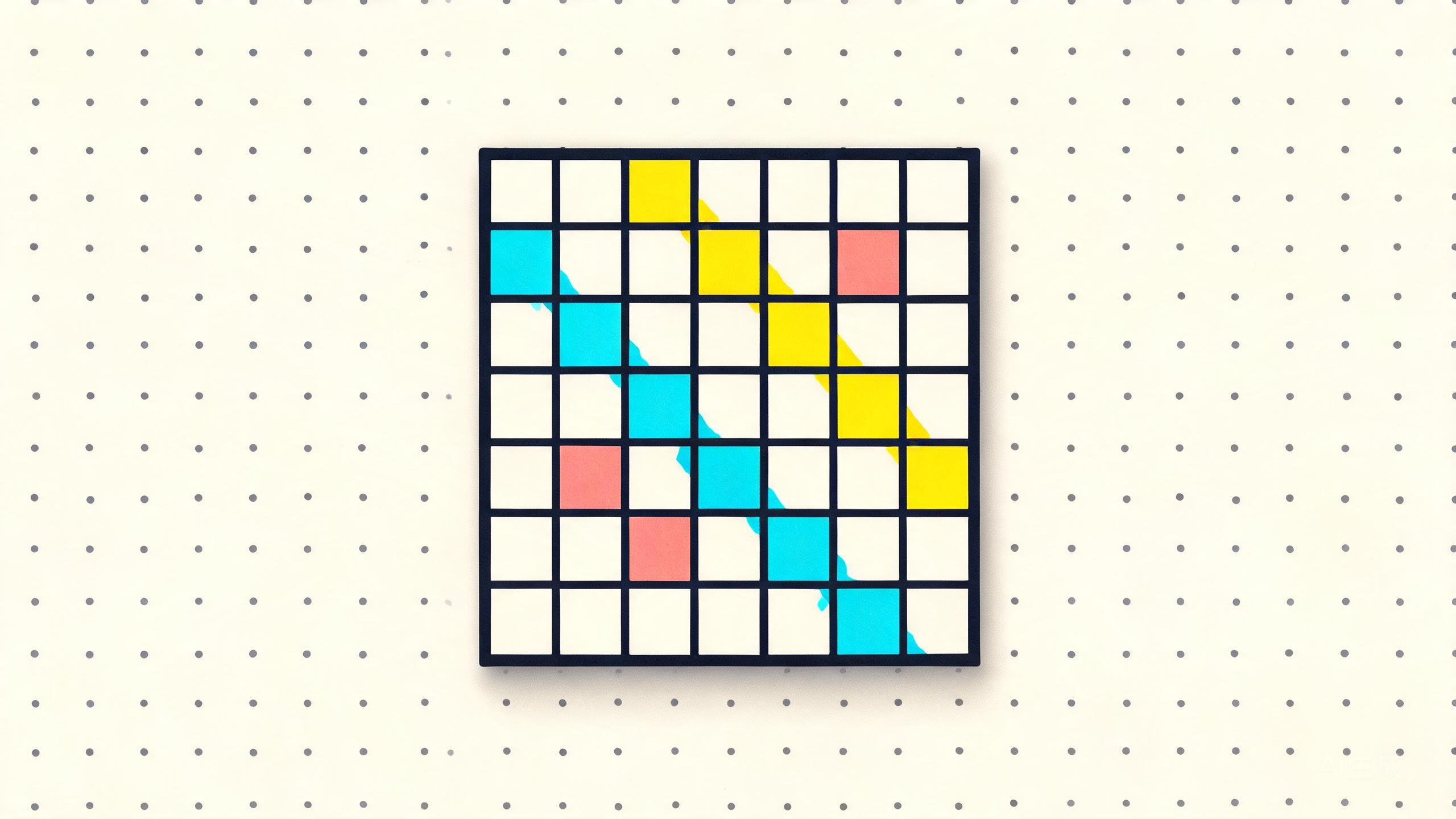
Letter Boxed
Connect letters around a box without repeating a side.
 Words
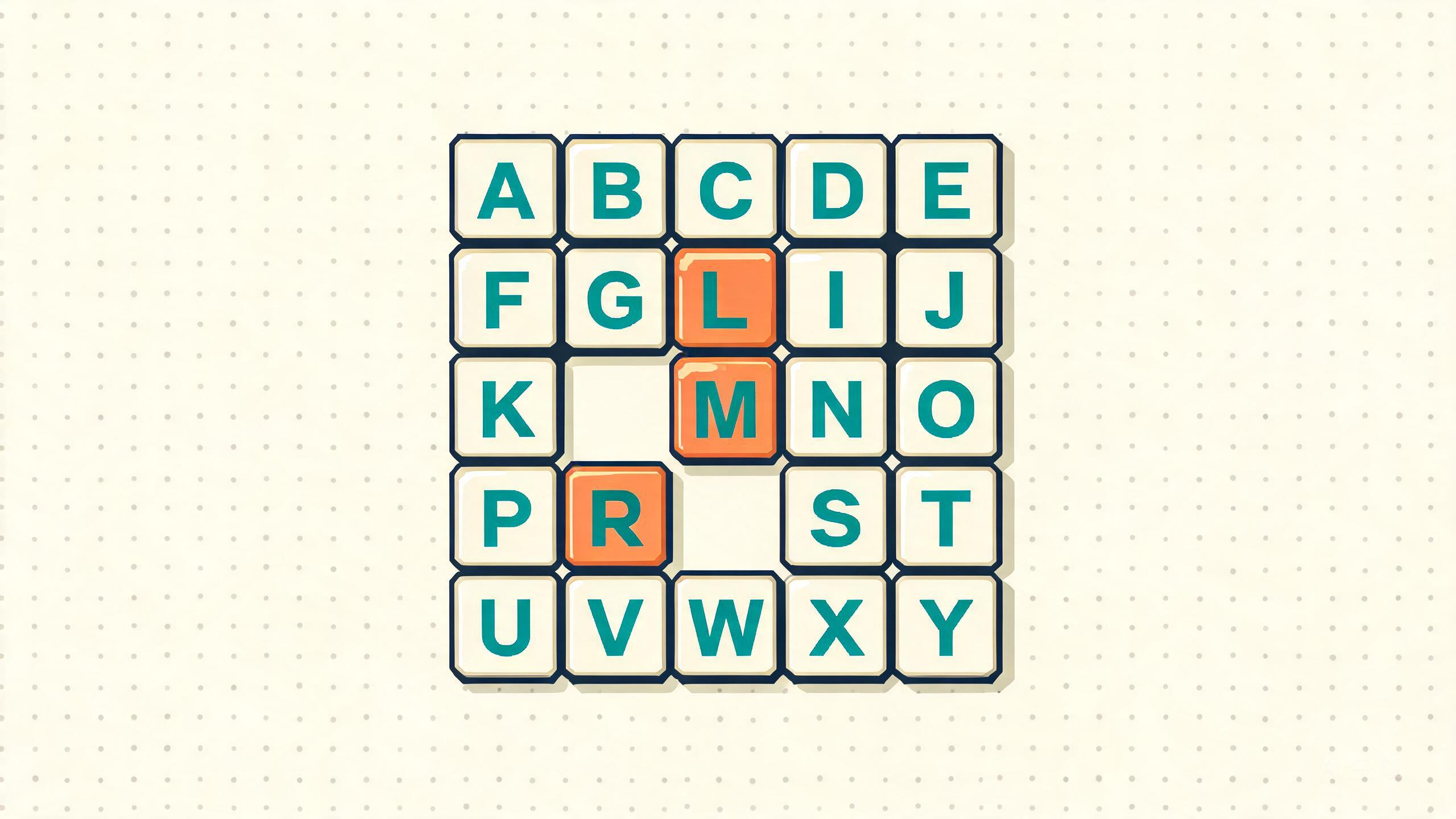
Squaredle
Trace words in a dense grid until every square is used.
 Words
Waffle
Swap letters on a waffle grid to restore six words.
 Words
Contexto
Guess a word by meaning, not by spelling.
Alternatives in detail
What each game like Connections adds
Wordle
Wordle is a five-letter guessing game: six attempts, and each guess returns green, yellow and grey positions. It shares the daily habit and the elimination mindset with Connections — every wrong attempt should remove possibilities — but the feedback is positional rather than categorical, and there is no second layer where four words have to belong together. Five minutes, one shared answer, and the game that made the daily-board format a routine. nytimes.com.
Strands
Strands puts a themed letter grid on screen and asks you to trace words through adjacent squares, with one long spangram naming the theme. Where Connections asks you to decide what a word means, Strands asks you to find where it sits in the letters, so the puzzle rewards scanning rather than category logic. Eight minutes is a realistic round, and a hint appears when you find ordinary words that are not part of the theme. The board is at nytimes.com.
Poillirk
Spelling Bee
Spelling Bee hands you seven letters in a honeycomb and asks for as many words of four letters or more as you can find, with every word using the centre letter. There is no grid to sort and no wrong-answer penalty, so the score and the rank carry the tension instead of a mistake counter. It is the slowest entry here at roughly twelve minutes, and the one that most rewards a wide vocabulary rather than lateral thinking. nytimes.com.
NYT Mini Crossword
The Mini is a small daily crossword with a handful of across and down clues, designed to be finished in a few minutes. It keeps the shared daily board but replaces grouping with direct answering: clues are solved, not sorted, and crossing letters repair an uncertain entry. Four minutes is typical, which makes it the quickest item on this list, and the gentlest entry point for anyone who has never solved a crossword. nytimes.com.
Dordle
Dordle is Wordle with two boards and seven guesses, with every guess applied to both words at once. It pushes the elimination skill further than Connections does, because a letter that helps one board can be useless on the other, and the guess count is shared rather than doubled. Five minutes, one daily pair, and a good step up once a single Wordle feels too quick. It runs on zaratustra.itch.io.
Letter Boxed
Letter Boxed arranges letters around the sides of a square and asks you to use all of them in as few words as possible, with each word drawing from different sides and consecutive words linking last letter to first. Progress is visible only in how many letters remain unused, so there is no warm-cold signal at all, unlike Connections' immediate confirmation of a correct group. Around eight minutes, and a genuine test of vocabulary under a geometric constraint. nytimes.com.
Squaredle
Squaredle gives you a grid of letters and asks you to trace words through adjacent squares until every required word on the day's list has been found. There is no penalty for trying a word, so the pressure is coverage rather than damage control, which is the opposite of Connections' four-mistake budget. It suits players who like a long, unhurried search rather than a hard stop. Around six minutes for the required list, longer if you chase bonus words. squaredle.app.
Waffle
Waffle starts with a scrambled waffle-shaped grid and asks you to swap tiles until every row and column reads as a real word. It shares the sorting instinct with Connections — you rearrange a fixed set into a correct arrangement — but the check is orthographic rather than semantic, and a wrong move can be swapped back instead of costing one of four mistakes. Five minutes, one daily board, and a hint system for a stubborn corner. It lives at wafflegame.net.
Contexto
Contexto hides one word and ranks every guess by semantic closeness, so the feedback is a number rather than a colour. That is the nearest thing here to Connections' meaning-based thinking: you are reasoning about what a word is about rather than which letters it contains. There is no grid to sort and no mistake limit, so the round is a series of narrowing associations. Around five minutes, one daily target, at contexto.me.
Which game like Connections should you play?
Start with Waffle if what you enjoy in Connections is the act of sorting. Both games hand you a fixed set and ask you to put it in the right arrangement; Waffle simply checks spelling instead of meaning, and lets you undo a bad swap. That makes it the least frustrating substitute for a player who likes the puzzle shape but finds category deduction exhausting.
Choose Strands or Squaredle if you want a grid and a longer session. Both ask you to trace words through adjacent letters, which is a scanning task rather than a logic task, and neither punishes a wrong attempt. If you only have five minutes, the Mini or Wordle are the better fit; if you want to think about meaning, Contexto and Semantle replace the colour feedback with a closeness score.
Spelling Bee and Letter Boxed are the ones to try when you want letters and constraints without any grid. They ask for word construction under a rule, which is closer to Scrabble than to Connections, and both run longer than six minutes. None of the ten replaces the four-mistake tension of the original, so the honest advice is to pick the mechanic you already like and treat the rest as a change of pace.
FAQ
Are the games on this list free to play?
Which game is closest to Connections' rules?
How many mistakes or guesses does each game allow?
Do these games reset every day?
Can I play these games on a phone?
How is this list ordered?
Where can I read more about Connections itself?
Play the original first
The reference listing for Connections is at /games/connections. It includes the official source, a time estimate, and a short guide to how the round works. Use the alternatives when you want a second daily board — not as a replacement for the original publisher.